In this article
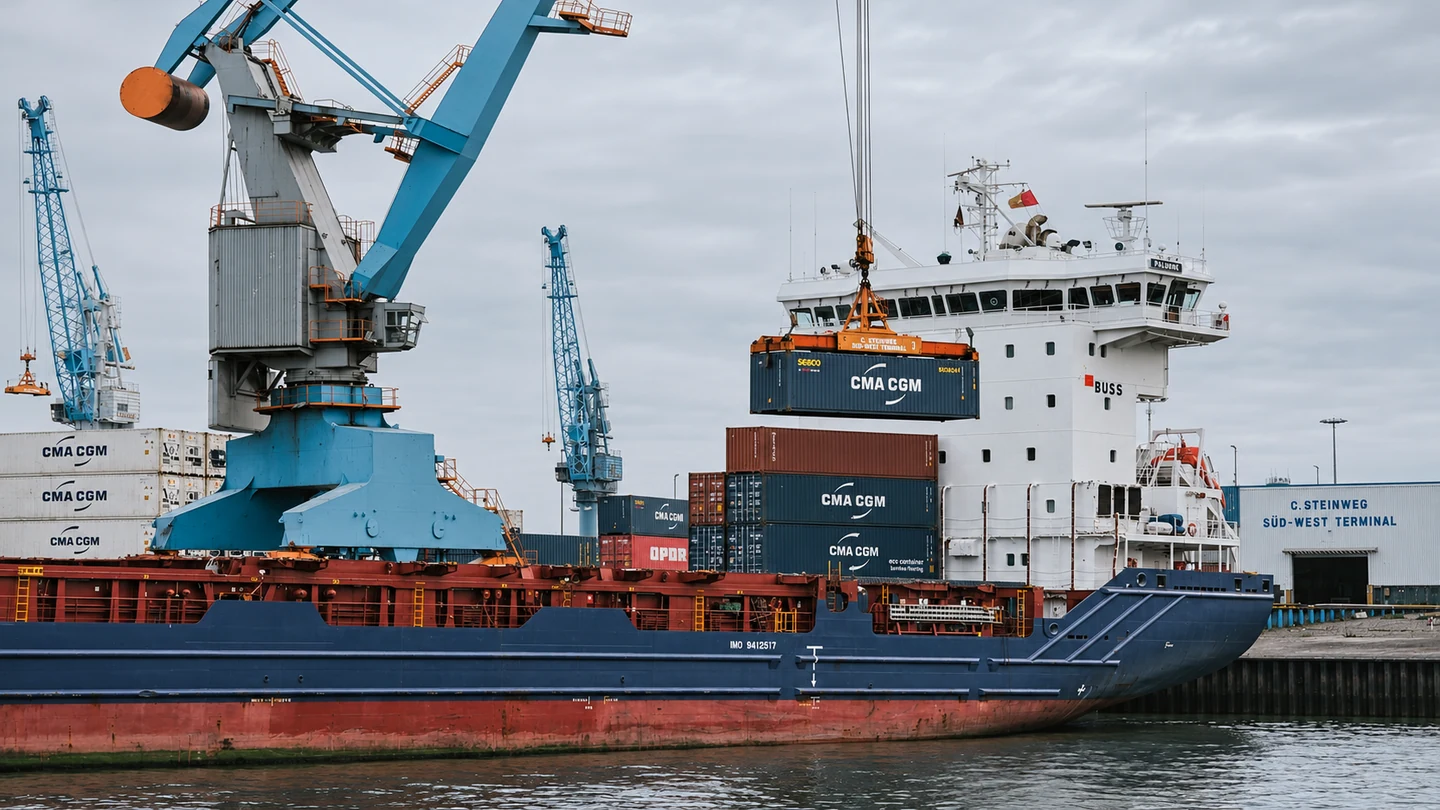
FOB means Free On Board. In shipping, it is a trade term in which the seller delivers the goods onto a ship at a named port. The seller pays the costs and carries the risk until then. After that, the buyer pays the sea freight and carries the risk. “FOB Ningbo” means that delivery happens on board a ship at Ningbo.
Chinese suppliers often quote FOB prices, but an FOB price is not your total cost. This guide explains what FOB covers, where the risk changes hands, when another term may fit better, and what real disputes teach buyers.
Quick answer: what does FOB mean in shipping?
Under the Incoterms 2020 rules, the seller delivers the goods and passes the risk to the buyer once they are loaded on the vessel at the named port of shipment. The seller handles export clearance. The buyer arranges and pays for the sea freight. FOB is only for sea and inland waterway transport.
Who pays what under FOB
The exact split should be written in your contract. Under a normal FOB quote from China, it usually looks like this:
- Seller: the goods, export packing, transport to the port, export clearance and loading on board.
- Buyer: sea freight, cargo insurance if wanted, destination port charges, import duty and tax, and delivery to your door.
Ask about port fees before you agree. Law firm Harris Sliwoski notes that Incoterms do not automatically cover port congestion fees, demurrage or extended storage. They also do not decide payment terms or who owns the goods. You still need a contract for those.
When risk passes to the buyer
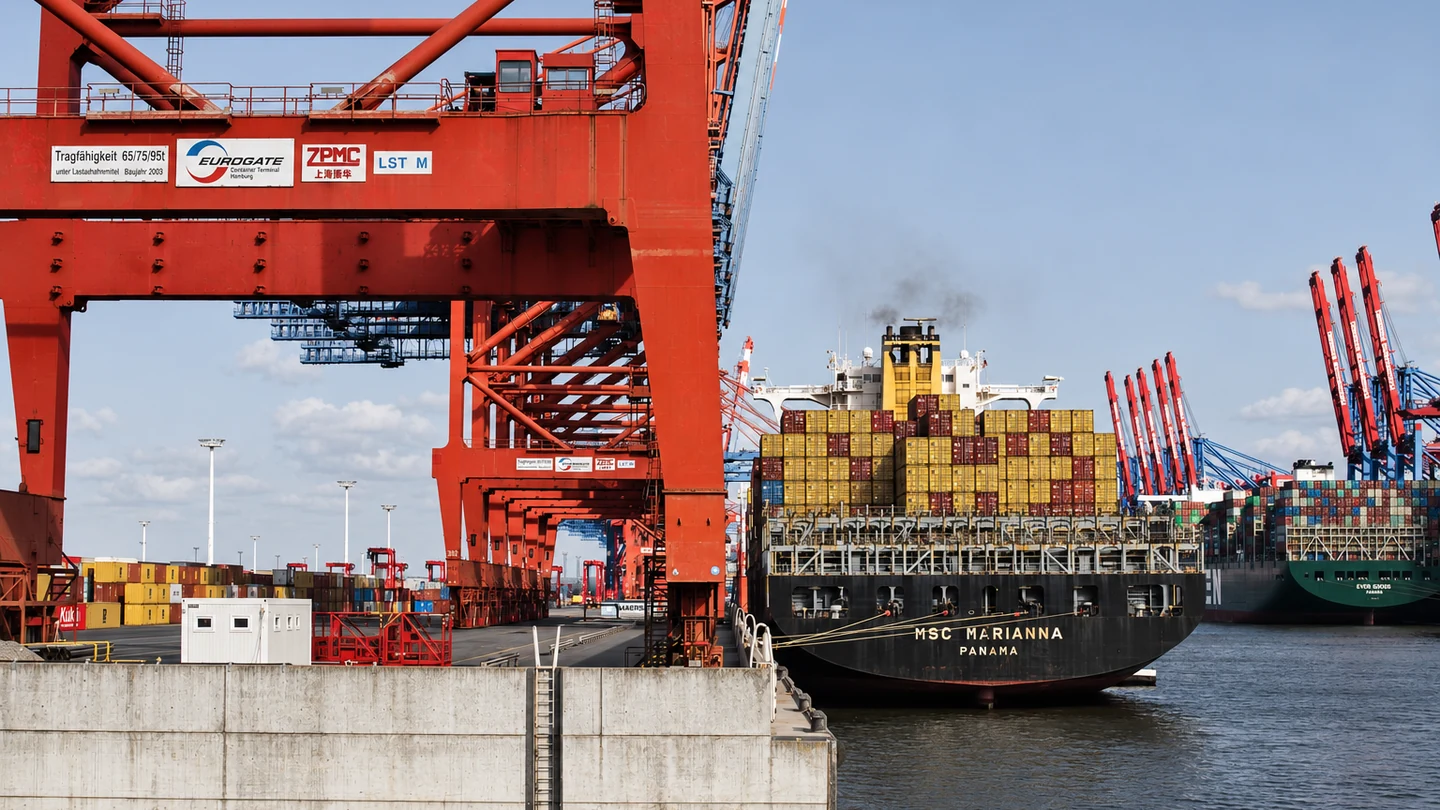
Under FOB, the risk passes when the goods are on board. So a truck accident on the way to the port is normally the seller’s risk, while damage at sea is normally the buyer’s risk.
There is one important exception. The ICC Academy article warns that the risk and costs can pass to the buyer before loading if the buyer does not give timely vessel details, or if the ship is late or stops taking cargo early. Late booking can therefore become your problem even if the goods never reached the ship.
Insurance should match this. Insurer MSIG explains that a buyer’s policy may not respond to a loss before the risk has passed, even with “warehouse to warehouse” wording. Ask your insurer when your cover starts, and ask the supplier what covers the goods before loading.
What an FOB price leaves out
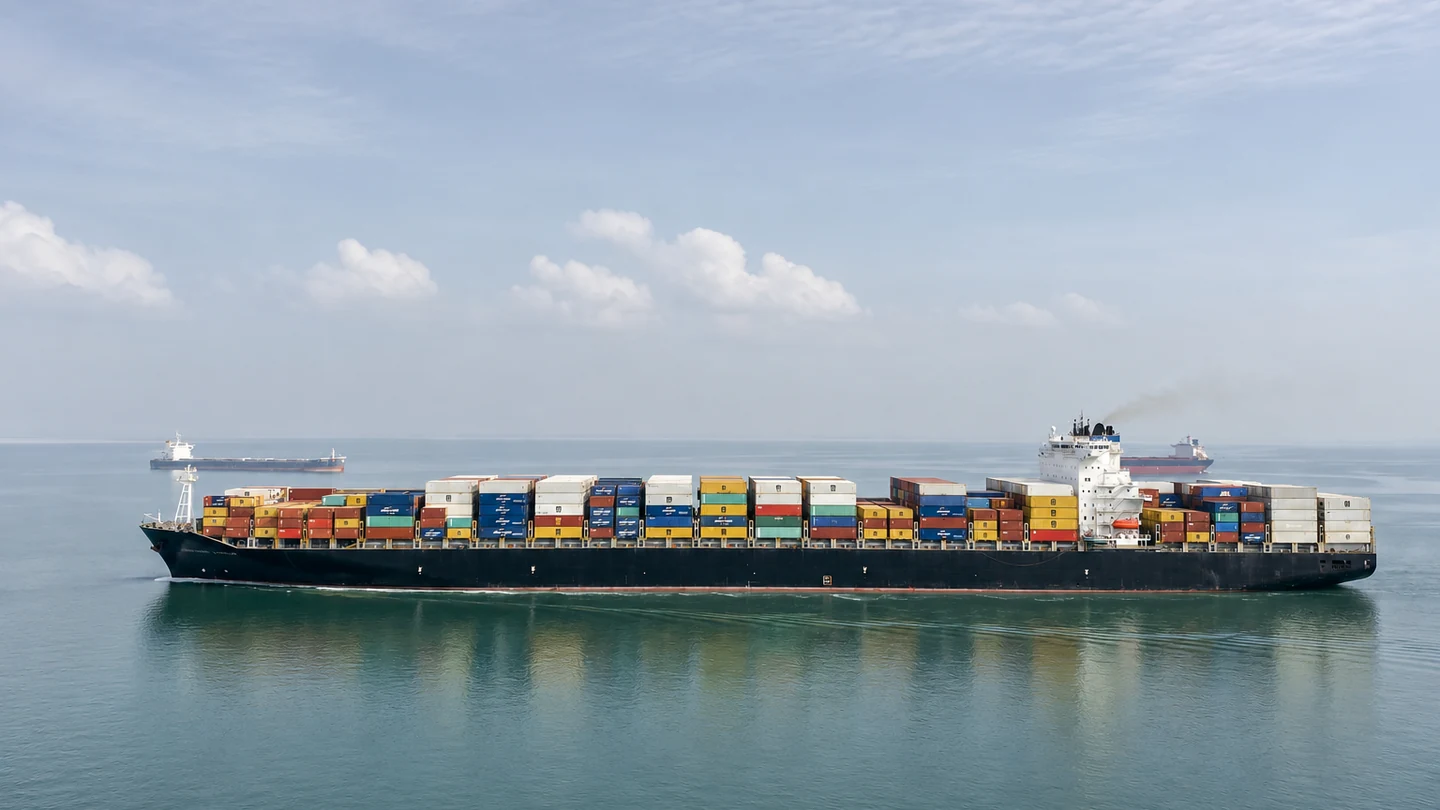
An FOB unit price is useful for comparing suppliers who quote from the same port, but it stops at the ship. To compare your real cost, add:
- Sea freight and insurance.
- Destination port charges.
- Import duty, tax and customs agent fees.
- Inspection, samples and inland delivery.
Customs may also add these costs back. In the UK, for example, the customs value includes transport up to the UK border, so an FOB price alone is not the value for duty. Our guides on comparing supplier quotes and shipping from China to the UK show how this works in practice.
FOB vs EXW, CIF and FCA
- EXW (Ex Works): the buyer takes on the responsibilities and costs from the seller’s site. The quote looks lower, but you take on more of the work and risk in China.
- FOB: the seller delivers on board at the port of shipment. You choose and pay the carrier.
- CIF (Cost, Insurance and Freight): the seller pays freight and insurance to the destination port, but the risk still passes once the goods are on board at the port of shipment.
- FCA (Free Carrier): the seller delivers to your carrier at an agreed place, such as the factory or a terminal. It works for any transport mode.
So a CIF price includes more costs, but it does not mean that the seller carries the risk all the way to your country.
Should you use FCA instead of FOB for containers?
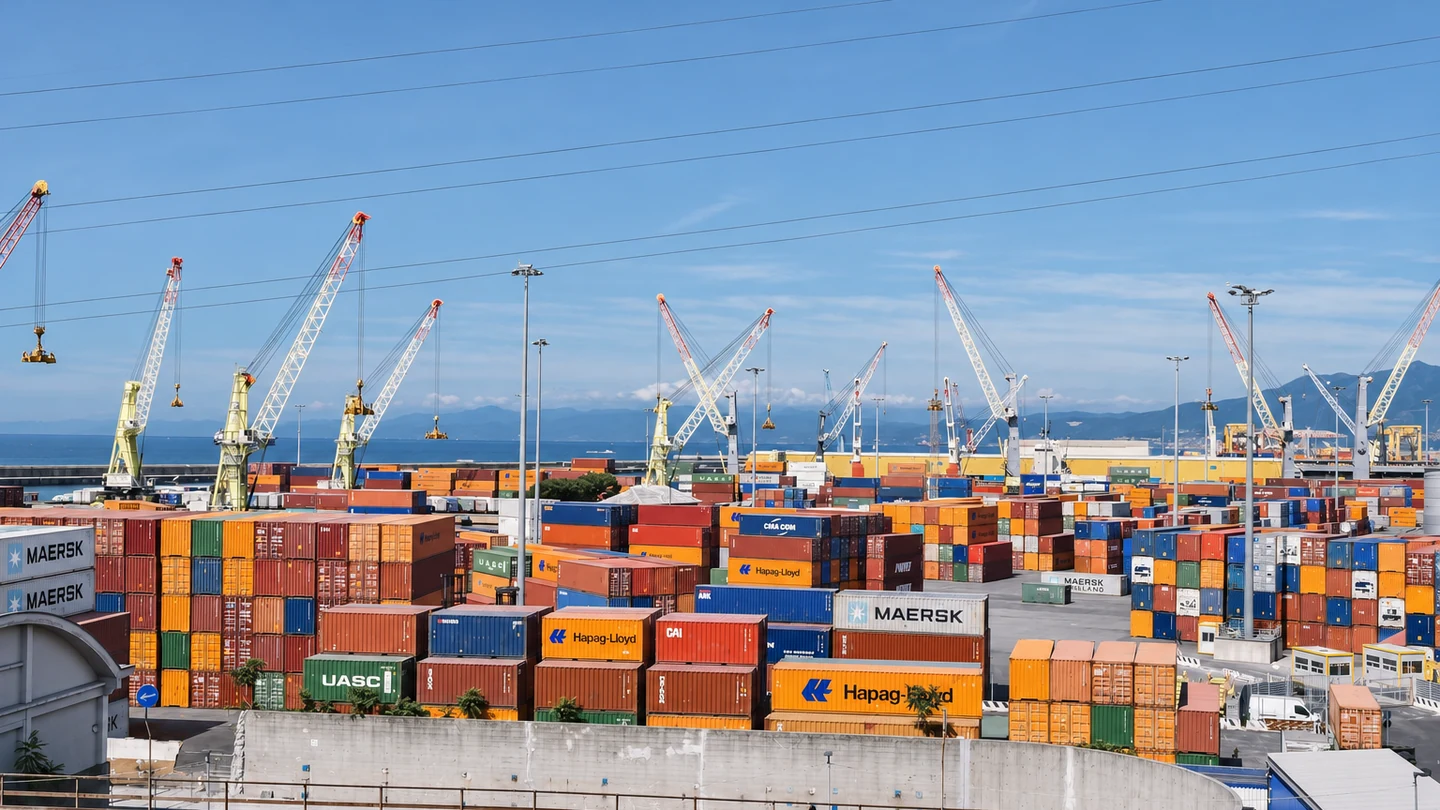
Often, it is worth asking. FOB dates from before containers existed. Today, a container may be handed over at a factory or terminal well before it is loaded. An ICC-certified trainer writes that FCA is the appropriate rule when goods move in containers or pallets using several types of transport. The article notes that these are the author’s views, not an official ICC position.
In practice, many Chinese suppliers still quote FOB. If you keep it, agree who handles the container before loading and when your insurance starts. For air freight, do not use FOB. FCA is one option for air shipments.
FOB origin and FOB destination
You may also see “FOB origin” and “FOB destination” (source in Chinese). These terms are often used in US shipping and are not the same as FOB Ningbo under Incoterms 2020. If you see one in a contract, ask what it means there.
Real cases: what goes wrong around shipping terms
- EXW on the order, CIF on the invoice. Harris Sliwoski describes a client whose purchase order said EXW while the supplier’s invoice said CIF. Nobody fixed the difference. When the goods were damaged in transit, both sides blamed each other. The case took two years and cost the client about US$150,000 in legal fees.
- Holes in the container. Inspection firm ExamineChina reports an FOB buyer whose container arrived with two holes in the wall. The freight forwarder billed US$2,500 for the damage. With no dated photos from the loading, it was hard for the buyer to show when the damage happened. The firm sells loading inspections, so weigh its account with that in mind.
- Goods released without the bill of lading. China’s trade promotion council published a case (in Chinese) in which a Korean buyer’s chosen Shanghai forwarder released three batches of fabric without the bill of lading. A Jiaxing exporter was left owed US$333,865. The buyer was close to bankruptcy, and at least eight of its suppliers were affected. The forwarder later agreed to pay US$300,000. The report does not state the sale term, but its advice warns exporters about FOB deals with forwarders chosen by the buyer. That is one reason a factory may question your forwarder or ask for payment first.
- Sharing the cost of a ship fire. After the 2018 Maersk Honam fire, general average was declared. Under this rule, surviving cargo shares certain costs of the incident. The article warns that uninsured cargo can be held until those charges are paid. Under FOB, the buyer usually carries this risk once the goods are on board.

How to write FOB in your order
Name the port and the rules, for example: “FOB Ningbo, Incoterms 2020.” Then check these points before you pay the deposit:
- The purchase order, proforma invoice and contract all use the same term.
- The named port is the real port you plan to use.
- You know who books the ship and the deadline for vessel details.
- The price states which China-side charges are included.
- Your forwarder is real, licensed where required and has a written quote.
- You know when your insurance starts.
- You have asked for photos of the container, its number, the seal and the loading.
- Final payment and release of documents follow an agreed process.
A third-party inspection and a clear deposit and payment plan can reduce these risks. JFScope is a sourcing agent based in Yiwu, Zhejiang. We help buyers compare quotes on the same basis, follow production, and coordinate inspections and shipping on the China side. See our services or warehousing and consolidation.