JFScope

Contact

Quality inspections in China

Make sure your goods match your order. I help arrange a third-party inspection and follow up on the results
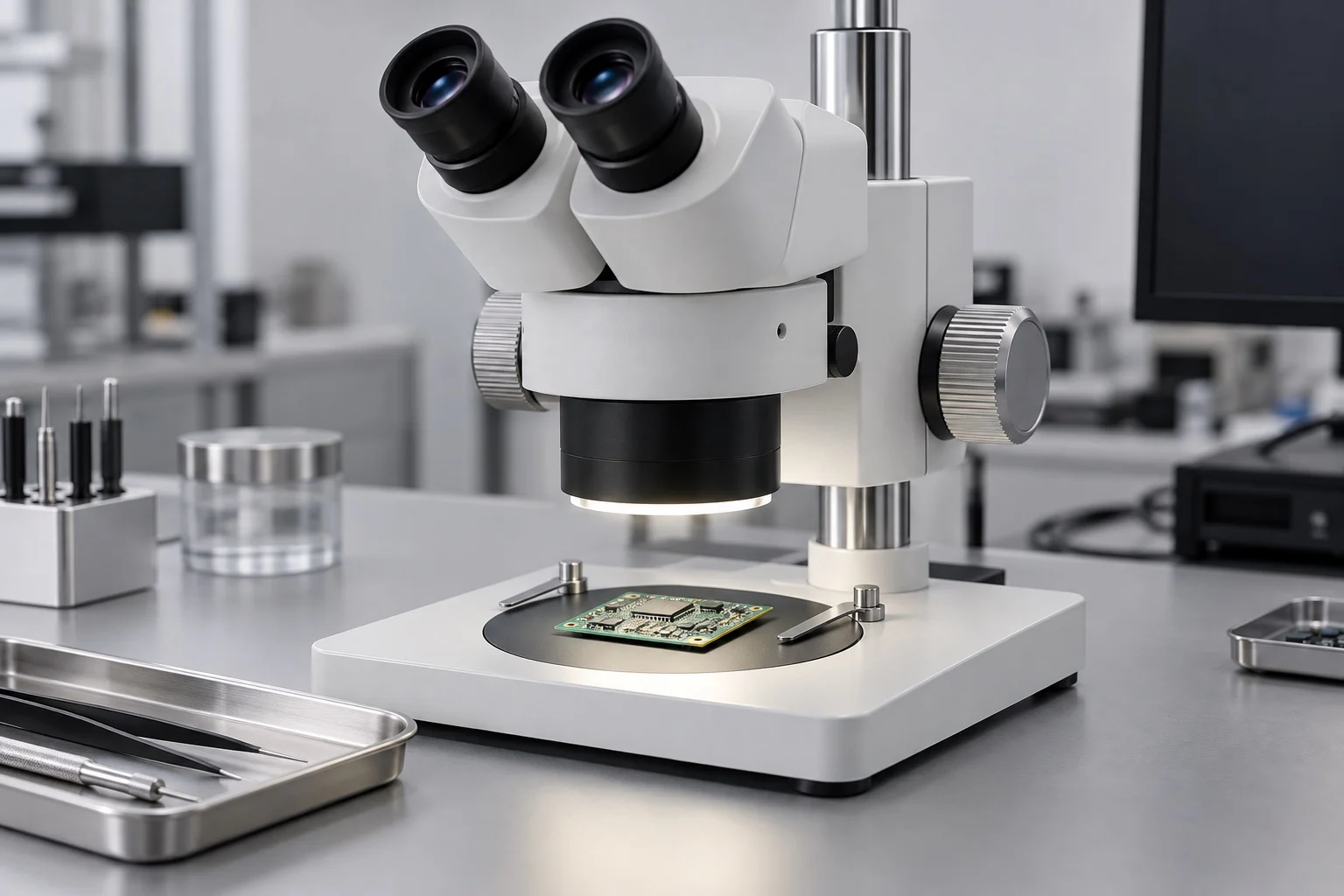
Microscope positioned above a circuit board for inspection
Worker inspecting sheet material on an illuminated table

Check your goods

Agree which items to check and what the inspector should look for

What does the inspector check?

A third-party inspector checks agreed items such as size, appearance, function, quantity and packaging. We confirm the checklist and timing with you first. Specialist safety, performance or laboratory tests are arranged separately; JFScope does not issue test certificates.

Warehouse worker using a scanner and tablet

Read the report

See the inspector’s photos and results, with any problems clearly listed

What if the report shows problems?

I help you understand the findings and ask the supplier to fix problems. You can request repairs, replacements or another inspection, reject the goods or accept an agreed solution. You approve any exceptions, payment and shipment.

Engineers reviewing a laptop beside production equipment

Resolve any problems

Ask the supplier to fix problems before shipping. You approve payment and shipment

How do I arrange a check?

Send the product details, quantity, factory contact, approved sample details and shipping date. Include any earlier inspection report. We confirm the provider, checklist, timing and fees before booking.

Keep a sample you approved

Keep the sample you approved so the supplier and inspector know what your order should look like.

What should I record?

Record the sample reference, agreed materials, size, colour, functions and packaging. Note any changes you approved and tests still needed. Check again if the supplier changes the materials, parts or production method.

Are all items checked?

Usually, the inspector checks a sample of the order. Agree how many items to check and which problems would mean the order fails.

How are problems rated?
  • Critical: safety or other serious problems.
  • Major: problems that affect normal use.
  • Minor: smaller issues, such as appearance.

Agree the limits before inspection. Checking a sample does not check every item or replace required safety and compliance tests.

Scroll to Top