In this article
You can ship goods from China to the UK by sea or by air, and most importers use a customs agent or transporter to clear them. Sea usually costs less but takes weeks. Air is much faster but costs more. Whichever you choose, the customs value includes transport to the UK, and that value is the base for duty and VAT.
This guide explains transit times, the customs steps, how duty and import VAT work, and the product rules UK importers often miss. Rules change, so check the linked GOV.UK pages before you ship. We last checked them in November 2026.
Quick answer: how to ship from China to the UK
- Choose sea or air based on your deadline, weight and stock plan.
- Get an EORI number that starts with GB.
- Decide who will make the customs declaration.
- Find the commodity code, which sets the duty rate.
- Work out the customs value, including transport to the UK.
- Check licences and product safety rules before the goods leave China.
- Clear customs, pay what is due and keep your records.

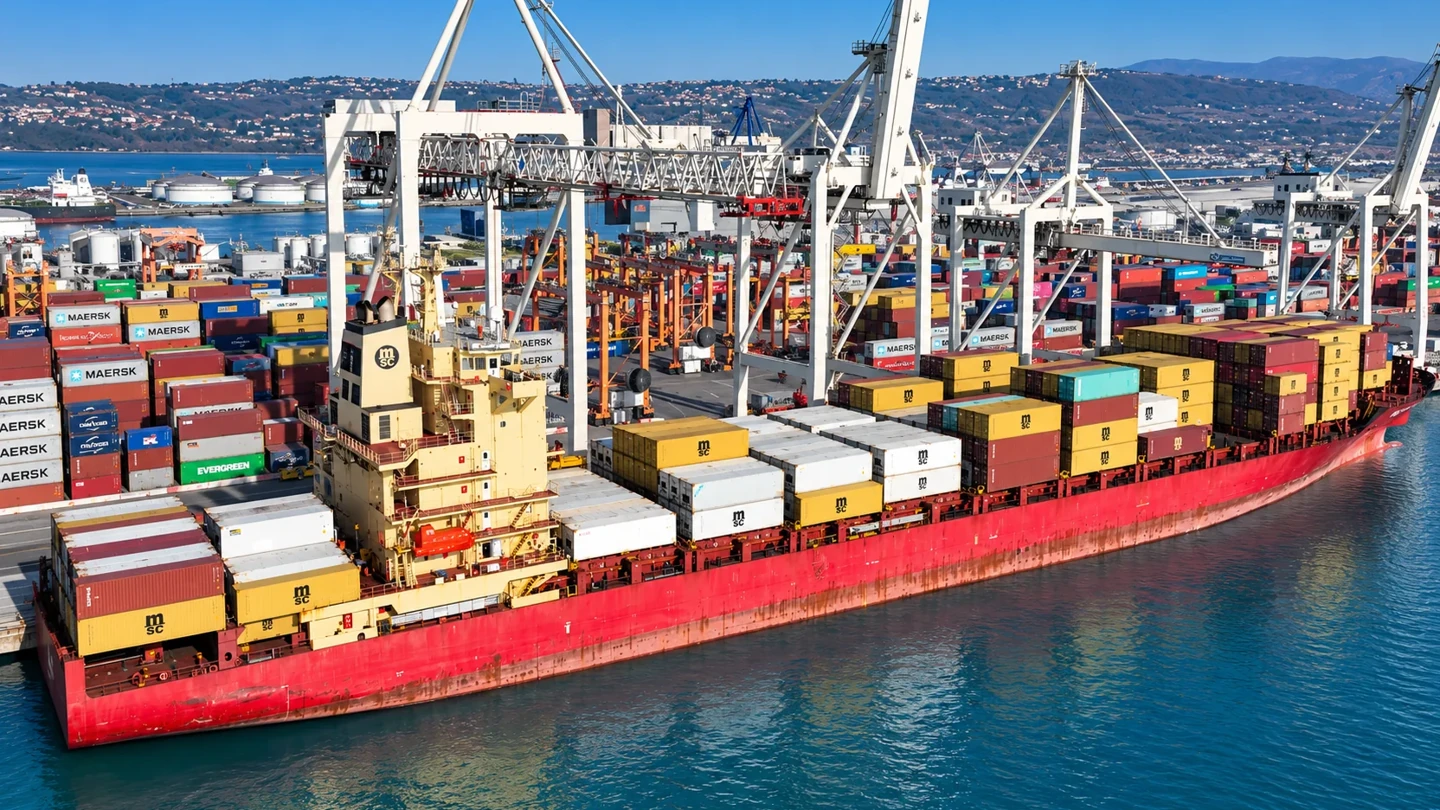
Sea or air freight from China to the UK
There is no single official transit time. These are estimates from UK sourcing firm Epic Sourcing, so confirm them with your forwarder:
| Mode | Estimated time | Usually suits |
|---|---|---|
| Sea freight | 25 to 35 days at sea, or about 30 to 42 days door to door | Heavy goods and orders with weeks of stock planning |
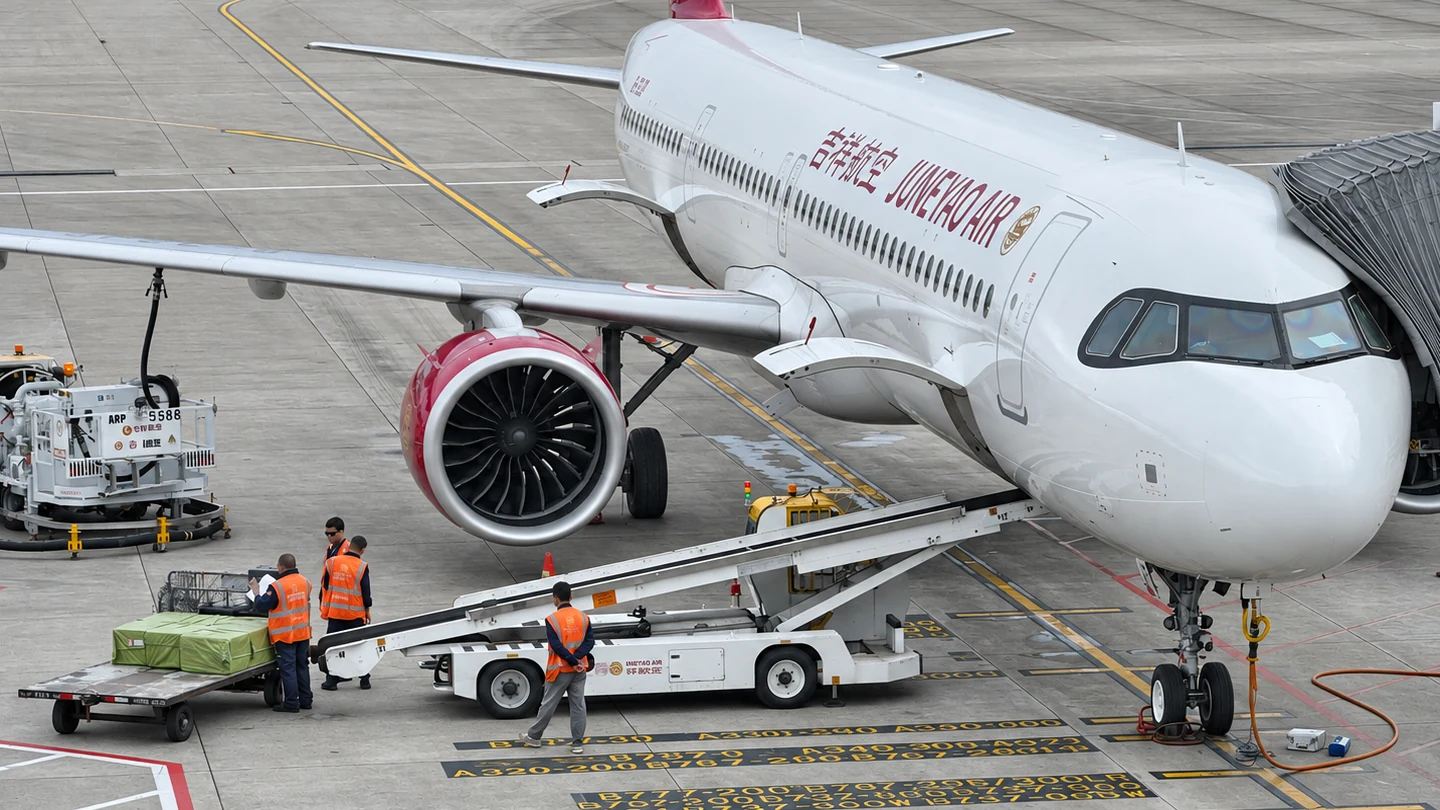
| Air freight | About 5 to 10 days door to door | Urgent, light or high-value goods |
| Express courier | About 3 to 5 business days | Ask your forwarder whether it suits your shipment |
A late sample or a production delay can also push a buyer toward air, so build time into the order before you need to pay for speed.
New routes appear from time to time. In 2026, UK forwarder Davies Turner offered a 21-day service from Ningbo to Felixstowe through the Russian Arctic. It was limited to eight planned sailings between August and October, so it is not a year-round option.
If you buy from several suppliers, ask whether they can be packed into one shipment. Our warehousing and consolidation page explains how that works.
The UK customs steps
The official guide is Import goods into the UK: step by step. For goods entering England, Wales or Scotland from China, these are the main points:
| Item | What you need to know |
|---|---|
| EORI number | You need one that starts with GB. Northern Ireland has different rules, so check them if you ship there. |
| Customs declaration | You can do it yourself or hire someone. GOV.UK says most importers use a transporter or customs agent. |
| Commodity code | This sets the duty rate and shows whether you need a licence. Check it in the UK Trade Tariff. |
| Licences and marking | Some goods need a licence or certificate. Manufactured goods may also have marking and labelling rules. |
| Records | Keep commercial invoices and customs paperwork, including any import VAT certificate (C79). |

How duty and import VAT are worked out
Duty and VAT start from the customs value, not just the supplier’s price. HMRC says the customs value includes delivery costs up to the point where the goods enter the UK. That covers transport, insurance, loading and handling, and inland transport in China. For sea freight, that point is the UK port of importation.
This matters if your quote is FOB. An FOB price stops at the Chinese port, so the sea freight and insurance after that point still need to be added.
The calculation then runs in this order:
- Customs Duty = customs value × the rate for your commodity code.
- Value for import VAT = customs value + duty + any other import charges + costs such as transport and insurance up to the first UK destination.
- Import VAT = that value × the VAT rate for your goods. The standard rate is 20%.
Estimate UK duty and import VAT
This follows the three steps above. Enter the rate for your own commodity code. It is an estimate, not a customs ruling, and it leaves out anti-dumping duty unless you add it under other import charges. The starter numbers are placeholders.
If you are VAT registered, postponed VAT accounting lets you declare and reclaim import VAT on the same VAT Return. If you pay at import, you normally reclaim it using your C79 certificate, subject to the usual rules. If you are not VAT registered, you still pay import VAT but cannot reclaim it. Regular importers can also ask about a duty deferment account.
Check for anti-dumping duty
Some Chinese goods carry an extra duty on top of the normal rate. UK measures on goods from China include ironing boards and, provisionally, certain glass containers. Provisional duties on boom lifts range from 16.25% to 71.74%, depending on the producer. Check your commodity code before you agree a price, not after the goods have shipped.
Goods worth £135 or less
Different rules apply to low-value goods. For consignments of £135 or less sold directly to customers in Great Britain, VAT is generally charged at the point of sale rather than at import. A VAT-registered UK business that gives its VAT number accounts for the VAT itself. GOV.UK also lists no Customs Duty on non-excise goods worth £135 or less. That relief is due to end by March 2029 at the latest, so do not build a long-term plan around it.
Product rules: the importer is responsible
Clearing customs does not prove that your goods are legal to sell. Under UK rules, an importer has its own duties. For products covered by these rules, they include checking that the manufacturer has completed the correct conformity process and technical documents, and that the correct marking is on the product. You may also need to keep the documents and work with the authorities.
Ask for test reports before you pay the deposit. Then check that each report covers your exact product and the UK rules that apply to it. Our inspection coordination page explains how third-party checks fit into an order. For furniture and home goods, see furniture and home sourcing.
Real cases: what goes wrong for UK importers
A test report that did not fit
Safa Food 1 of Hayes imported 2,994 electric hotplates from China. Essex Trading Standards found that it relied on a Chinese test report that did not cover British electrical safety standards. The company was convicted of 10 offences and ordered to pay £28,043.74.
Nearly 1,000 scooters and e-bikes
A shipment was flagged at a Suffolk port in November 2021, and the importer was advised to return it to China. He insisted that the goods complied. According to a local democracy report, Islington Council said that he did no safety testing and that its own tests found serious problems. He received a six-month sentence, suspended for 12 months, and 243 items still in storage were seized.
Undervalued goods
In 2022, the EU Court of Justice ruled that the UK had failed to tackle fraud involving undervalued textiles and footwear from China. Reports say that criminal gangs used shell companies and declared low values. This was organised fraud, not an honest buyer’s mistake, but it shows why a value that looks too low can draw attention.
The lessons are simple. Test against UK rules, read what each report really covers, and never agree to an invoice that does not show the true price.
What to ask before you book
- Who will be the importer on the customs declaration, and whose EORI number will be used?
- Does the quote include export clearance, freight, insurance, UK port charges and delivery?
- Who is paying duty and VAT, and are they included in the price?
- Which commodity code is being used, and who has checked it?
- Does the invoice show the true price paid?
- Do the test reports cover this exact product and the UK rules?
- What happens if the goods are held at the port?
Before you ship from China to the UK
- You have a GB EORI number and know who will clear the goods.
- You have checked the duty rate and any anti-dumping measure.
- You know your customs value, including transport to the UK.
- You have a plan for import VAT.
- Product documents and labels are checked before final payment.
- Your invoices and customs records will be kept together.
JFScope is a sourcing agent based in Yiwu, Zhejiang. We help buyers find and check suppliers, follow orders, and coordinate inspections and shipping on the China side. As the importer, you remain responsible for UK customs, tax and product rules. Read about our services and how we charge, or see our guide on how to import from China.