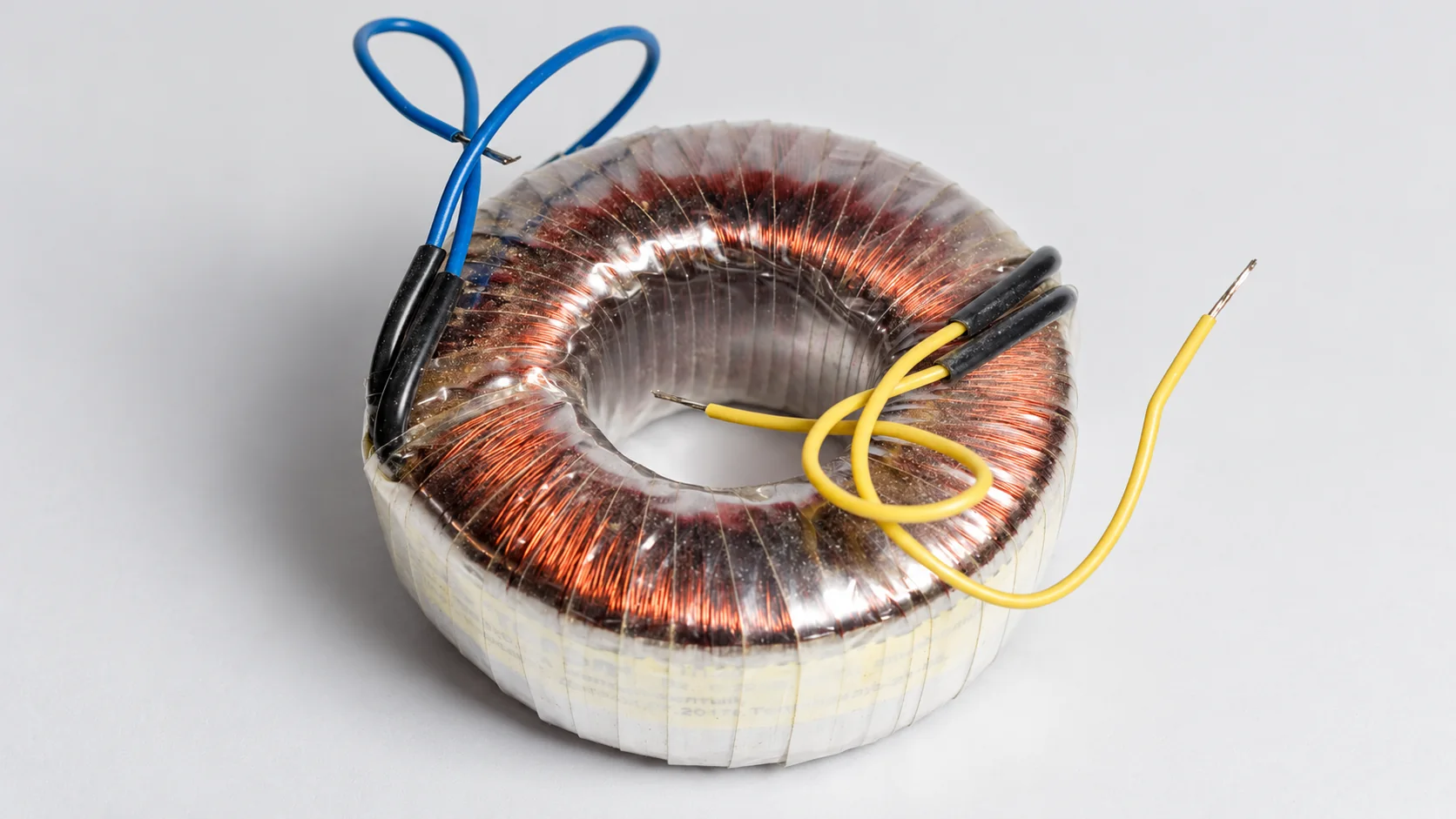
Two transformer quotes can have the same power rating but cover different parts. Before choosing the cheaper one, check the design, test work and extra fees. This guide shows what to ask each supplier so your engineer can compare the builds and your buyer can compare the full price.
Send every supplier the same requirements
Ask your engineer to approve one request for quotation (RFQ), which is the brief sent to suppliers for a price. Include the same drawing version for every seller. A volt-ampere (VA) rating describes apparent power, not the whole design. Hammond’s 200-series tables show how ratings and sizes vary by model. Use them as an example of clear data, not as a design rule for your own product.
List the input and output voltages, frequency and number of phases. State whether the unit runs all day or only for short periods. If voltage can be adjusted through extra coil connections, list those connections, called taps. Ask your engineer to specify the working temperature, insulation requirements and allowed heat rise. The supplier should confirm each value or clearly propose a change.
Include the outside size, mounting holes, weight limit and wire connections on the drawing. Show any case or cover that must fit around the unit. Include units of measurement. These details help prevent a quote for a transformer that works electrically but does not fit your machine.
Use the RFQ specification guide to organize the approved drawing and technical requirements for every seller.
Ask what is different from your drawing
If a supplier offers a lower-cost alternative, ask it to list every difference from your drawing. Put the requested value and the proposed value side by side. This can be a simple table. The important part is that your engineer can see and approve the changes before you order samples.
Check the material and coil notes with your engineer. A proposed design may use a different conductor, core material or bobbin, the spool that holds the coils. These changes are not automatically defects. Their effect depends on the whole design and operating conditions. Ask the supplier to explain each change and provide the evidence your engineer needs. Keep it marked as a proposal until approved in writing.
Add sample, tool and test fees
A low unit price may leave out work included in another quote. Ask each supplier to separate the unit price from sample, tool, test and packing fees. Use the same cost headings for every offer. Add the missing items before deciding which quote is cheaper.
Ask for the minimum order quantity, or MOQ, and prices at the quantities you may buy. List one-time design and setup fees separately. These are sometimes called non-recurring engineering (NRE) costs. Ask what any mold or tool fee covers. Confirm the sample cost, test scope and packing for the heavy parts. Also record the lead time and the delivery term, including the named place. Ask who pays each transport cost and when risk passes to the buyer.
| Check Area | What to Confirm in Writing | Who approves it |
|---|---|---|
| Electrical and heat limits | Input and output ratings, frequency, insulation class, wire metal, and heat limits. | Product Engineer. |
| Size and fit | Drawing version, outer size limits, mounting centers, wire ends, and case fit. | Mechanical Engineer. |
| Sample and batch checks | Sample test record, routine line checks, and batch test records sent before shipment. | Quality and Engineering. |
| Price and tool fees | Unit price tiers, NRE and mold fees, MOQ, packing rules, Incoterm, and lead time. | Purchasing Team. |
The supplier quote comparison guide helps compare the full quoted cost and keep exclusions visible.
Example: a quote that leaves out key costs
This is a made-up example. A buyer needs 500 control transformers rated at 250 VA. It sends two suppliers the same drawing and requirements. A quotes a unit price 20% below B. Before choosing, the buyer asks both suppliers to list build changes and extra charges.
B confirms the requested build, routine factory tests and export packing. A’s reply shows three differences. It proposes aluminum rather than copper winding wire. It also offers loose leads instead of the required screw terminals. Its price leaves out a bracket tool fee and export crates. The buyer now has specific points to review, rather than just two unit prices.
The buyer sends Supplier A’s proposed changes to the engineer. The engineer finds that the winding proposal lacks supporting test data and the wire connections do not match the approved assembly. The buyer asks A to requote the required build and add the omitted fees. Only then can the team compare the two offers fairly. Neither the lower price nor a different conductor alone decides the result.
What to check before ordering and shipping
1. Clear up gaps in the quote
Compare each supplier’s list of changes and costs. Ask for missing details about winding material, insulation and tool fees. If a key point remains unanswered, leave that quote unapproved. A refusal needs follow-up; it does not tell you which technical design is suitable.
2. Approve a tested reference sample
Order samples after the engineer approves the proposed design. Agree on the checks needed for fit, output under load and heat rise. A qualified provider should use the approved test method and limits. Once a sample passes, give it a reference number. Put that number and the drawing version in the order so the factory knows which version to follow.
3. Review the agreed batch records
Agree with your engineer which batch records are needed before shipment and any related payment milestone. Depending on the product, these may include dimensional checks, winding measurements and insulation test results. The test method and limits must come from the approved technical plan. Have qualified staff review the records against that plan. Factory logs and sample inspections help assess the batch; they do not replace required safety approvals or prove every unit is fault-free.
Before you order: final checks
- Send the same approved product requirements and drawing to every supplier.
- Ask for a written list of proposed changes and send every proposed build change to product engineering.
- Collect a full cost breakdown covering price tiers, MOQ, tooling fees, packing, and Incoterms.
- Approve a tested reference sample. Put its number and drawing version in the order.
- Review the batch measurements and agreed test records before any payment tied to those checks.
JFScope can help collect supplier answers and arrange checks. Appointed third-party providers carry out inspections or lab tests and issue the reports. Your team keeps final technical and buying approval.
